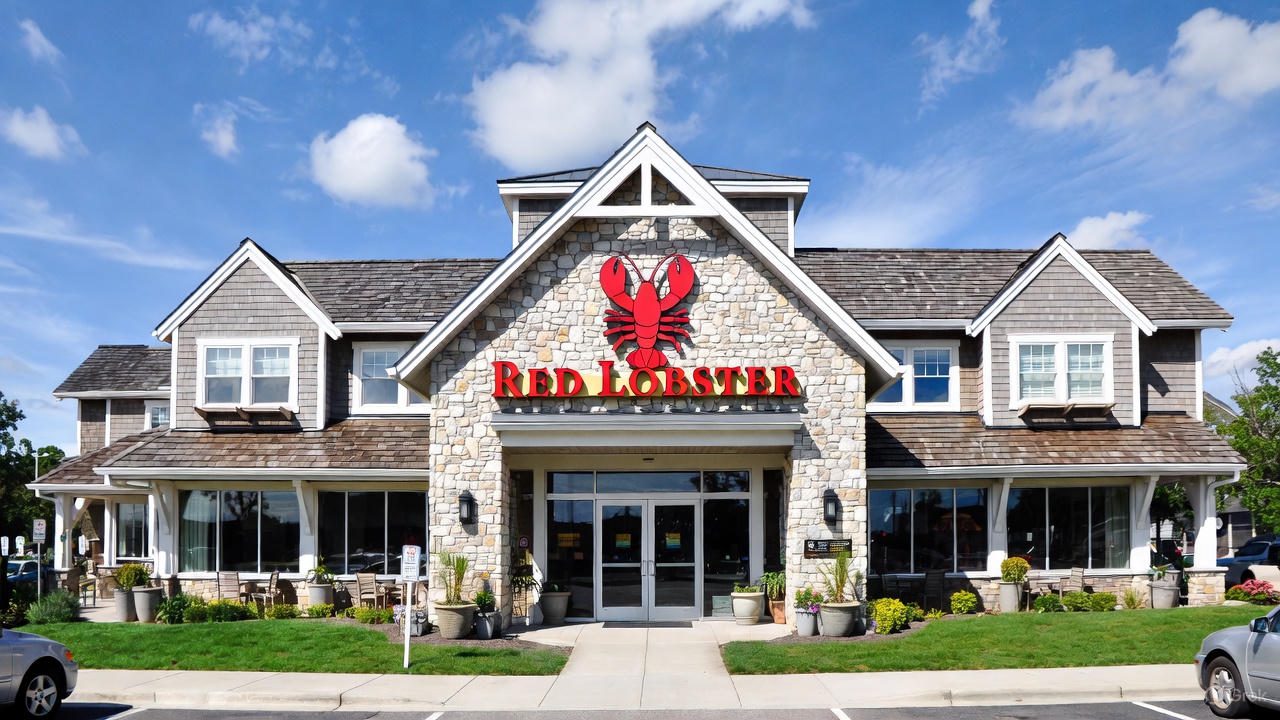
When Red Lobster made headlines stepping into a new era after its Chapter 11 bankruptcy filing, one thing became crystal clear: the chain was determined to win back customer loyalty with bold menu innovations. The seafood boil emerged as the centerpiece of this comeback strategy, and today it’s one of their most talked-about offerings. If you’ve been wondering exactly how much these viral shake-and-serve bags cost and whether they’re actually worth the investment, you’ve landed in the right place.
The Times Square Red Lobster and locations across the nation have been buzzing with activity since Damola Adamolekum, the new CEO in his mid-30s (previously the former chief executive of P.F. Chang’s), took the helm. His first major move? Introducing customizable seafood boils with flexible flavor options that resonated so powerfully on TikTok that the announcement viewed by over five million users. This wasn’t just a menu addition it was a calculated strategy to rebuild independent, privately-held operations and stabilize the chain’s position with its 545 restaurant locations spanning 44 states and four Canadian provinces.
Read Also: Red Lobster Menu With Price
Sailor’s Seafood Boil Pricing and What You Get
The Sailor’s Seafood Boil represents the more modest entry point into Red Lobster’s boil experience, making it an accessible choice for diners who want substantial quantity without the premium price tag. This dish includes two dozen shrimp, smoked sausage, corn, and red potatoes, all served in a hot shake-and-serve bag that arrives at your table with ceremony and steam.
Pricing for this option presents an interesting case study in location-based restaurant economics. Prices may vary by location, but you’re generally looking at $39.99 according to multiple sources, though some locations have moved toward $30.99 a reflection of regional market conditions and operational costs. The choice of flavor doesn’t increase the base price; you’re paying the same whether you select Roasted Garlic Butter, Cajun Butter, or another option.
What makes the Sailor’s interesting from a value perspective is the simplicity. You’re getting pure seafood volume two dozen shrimp is legitimately a lot of protein combined with the smoked sausage that adds textural contrast and smokiness. The corn and potatoes stretch the dish into something more meal-like rather than pure protein indulgence. For those prioritizing quantity over luxury ingredients, this hits differently than premium competitors offering smaller portions at similar prices.
Mariner’s Seafood Boil Premium Pricing for the Full Luxury Experience
Then there’s the Mariner’s Seafood Boil, Red Lobster’s unambiguous luxury play in the boil category. This is where things get noticeably more expensive, and for good reason. You’re getting Maine lobster tail, a dozen shrimp, snow crab legs, corn, and red potatoes essentially taking the Sailor’s formula and upgrading the protein profile substantially.
The price difference is stark: $54.99 versus the Sailor’s $39.99, representing a $15 jump that buys you the lobster tail and crab legs premium. Like its counterpart, this also serves in that hot shake-and-serve bag, maintaining the theatrical presentation that makes these dishes Instagram-worthy before they’re even eaten. Some locations have reportedly adjusted pricing toward $30.99 parity with the Sailor’s, though this appears inconsistent and likely reflects promotional periods rather than permanent pricing.
From a pure economics standpoint, you’re paying for Maine origin status and the snow crab legs two ingredients that carry genuine cost implications. The dozen shrimp component remains, creating a protein-forward experience that appeals to seafood enthusiasts rather than casual diners browsing the menu out of habit. The Mariner’s skews toward special occasions, date nights, and situations where someone specifically craves shellfish.
Flavor Options Customization That Changed the Game
One of Damola Adamolekun’s smartest early decisions as new CEO involved introducing customizable flavor options rather than forcing customers into predetermined seasoning profiles. This flexibility, announced early July, came with marketing that emphasized spice level adjustment giving control back to diners.
The current choice of flavors includes Cajun Butter, which leans into heat and Louisiana-style seasoning; Old Bay Seasoning, the classic Chesapeake Bay standard; and Roasted Garlic Butter, the crowd-pleaser that doesn’t intimidate palates uncomfortable with aggressive spicing. Each flavor transforms the same base proteins into distinctly different experiences.
The significance here extends beyond taste. The selection represents a rare moment where a menu item acknowledges that customers have different preferences without requiring them to build-your-own complexity. You’re not spending an extra $5 for garlic instead of Cajun it’s an inherent choice baked into the experience. The TikTok announcement featuring the CEO emphasizing this customization, which accumulated five million views, revealed that Red Lobster understood social media currency and customer psychology better than critics gave them credit for.
Family Meal Options Feeding Your Crew Without Multiple Orders
Both the Sailor’s Seafood Boil Family Meal and Mariner’s Seafood Boil Family Meal represent a clever segmentation strategy that emerged as the company stabilized post-bankruptcy. These aren’t just larger portions dumped into bigger bags they’re genuinely designed for feeding groups.
The Sailor’s Family Meal contains Shrimp, smoked sausage, corn, and red potatoes, serving 4-5 people in that shake-and-serve bag format. The Mariner’s Family Meal ups the ante with Maine lobster tails (plural), shrimp, snow crab legs, corn, and red potatoes, also serving 4-5. Both are available exclusively for To-Go or Delivery Orders a crucial distinction that speaks to supply chain optimization and kitchen labor management during the September 2024 restructuring period.
Practically speaking, family meals transform the value proposition. If you’re feeding four people, you’re spending roughly $13-14 per person for the Sailor’s or $14-16 per person for the Mariner’s. That’s competitive with casual chain pricing while delivering substantially more protein than your standard entree. The dine-in limitation for these offerings isn’t arbitrary it’s a deliberate operational choice that reduces logistics complexity and improves margins.
Cheddar Bay Biscuits The Unsung Price Influencer
Every Red Lobster experience includes Cheddar Bay Biscuits, those warm, buttery pockets of salt and garlic that have stood the test of time since before the internet age democratized restaurant criticism. Most diners don’t factor these into their price calculations, yet they materially impact satisfaction and perceived value.
What makes them exceptional isn’t just taste it’s psychology. You arrive hungry, and those biscuits arrive immediately, creating a psychological buffer that makes you less likely to complain about wait times for entrees. The light buttery crumb structure means you can consume multiple without feeling stuffed, yet you arrive at your boil with reduced hunger, fundamentally altering how you experience the dish.
These biscuits rank among the most iconic chain-restaurant food items ever created genuinely comparable to Outback’s Bloomin’ Onion in terms of brand equity and customer loyalty. They’re Cheddar Bay Biscuits that transcend category. For pricing purposes, understand they’re essentially a psychological sunk cost that makes you feel the overall experience is a better value, even if you’re consciously aware they’re subsidizing your perception through strategic complimentary inclusion.
Individual Item Ratings Breaking Down the Boil Component by Component
When you crack open that shake-and-serve bag, you’re not getting a monolithic dish you’re getting six distinct components competing for your attention. Understanding how each element ranked in actual taste tests provides insight into whether the price truly justifies the contents.
The Corn disappointed noticeably. It emerged soggy and dull, carrying that classic canned quality you avoided as a child and continue avoiding as an adult. This wasn’t fresh corn it was clearly canned, pre-cooked, and simply warmed through in the butter. For a dish at this price point, this feels like a miss.
The Crab Legs presented a frustration: they didn’t yield substantial meat, and whatever was there became very overshadowed by the oppressive garlic butter that dominated the sensory experience. You’re cracking shell for minimal reward, and the flavor investment doesn’t pay dividends.
The Potatoes proved to be the underrated hero. Kind of perfectly cooked, a potato is a potato, yet somehow these red potatoes demonstrated actual technique they were crispy-edged but creamy inside. Hard to dislike, especially drowning in butter, they provided textural satisfaction and legitimate substance to the dish.
The Lobster Tail delivered a bit more lobster flavor compared to the crab legs, though still hard to notice beneath the garlic butter noise. If you’re ordering the Mariner’s specifically for the lobster, understand that the butter is the primary flavor you’re actually tasting the seafood becomes secondary.
The Shrimp represented a step ahead of the lobster tail specifically because of texture. These delivered actual bite they were snappy, properly cooked, and maintained structural integrity rather than becoming rubber bands in butter. Great texture made these the dish’s most defensible protein component.
The Smoked Sausage was genuinely delicious, standing apart from everything else. These slices of sausage were just as smoky as promised, offering that little bit depth of flavor that a dish felt dominated by one dimensional seasoning actually needed.
Overall Sauce Impact Why Butter Becomes Both Hero and Villain
The sodium tidal wave of salty garlic butter that hits your palate isn’t accidental it’s strategic. It hit harder than expected, and it did exactly what it was supposed to do: disguise any mediocrity in the base seafood components. The flavor bomb was powerful enough that you couldn’t convincingly argue it was bad, even when individual components warranted criticism.
Here’s the uncomfortable truth that most Red Lobster critics won’t articulate: when you eat seafood, you’re supposed to relish the flavor of the fish or crustacean you’re enjoying. But in this boil, you’re not tasting shrimp cocktail for the cocktail sauce you’re tasting butter for the butter’s sake. The salt and garlic become the primary sensory experience, and the seafood becomes almost secondary texture.
This matters for pricing justification. You’re paying $39.99-$54.99 primarily for butter admittedly excellent butter with real flavor development, but butter nonetheless. The natural flavors of the proteins become essentially overpowered, which works if you crave salty garlic intensity and fails spectacularly if you’re seeking to taste premium Maine lobster or evaluate shrimp quality. The sauce doesn’t complement it obliterates nuance.
Red Lobster’s $5 Happy Hour The Pricing Context You Need
When Red Lobster launched its $5 Happy Hour in December, it provided crucial pricing context for understanding the boils. This wasn’t just a drink promotion it was positioning the overall Red Lobster experience as value-friendly across beverage categories.
For $5 drink specials and special prices on select appetizers, you could theoretically construct an entire meal around happy hour pricing. The boils remain outside this window, existing in a premium tier even as the overall menu emphasized accessibility. Understanding this context matters because it frames the boils as deliberately premium within a chain increasingly focused on value perception.
New Summer Drinks Menu Expansion That Elevates Perception
Beyond the $5 happy hour basics, Red Lobster expanded with new full-price drinks featuring credible partnerships: STILL G.I.N. by Dre and Snoop, Tito’s Vodka, and Patron Silver Tequila. These represent genuine spirit brands rather than rail options, signaling that Red Lobster recognized its customer base includes people willing to pay for quality cocktails.
This matters for boil pricing because elevated drink offerings create a whole-experience frame. You’re not just buying a $40 dish you’re constructing an evening that might include a Patron margarita or Tito’s cocktail. The drinks justify staying longer, spending more, and experiencing the restaurant as a destination rather than a commodity chain.
Additional Crab-Focused Menu Items The Larger Context
Understanding boil pricing requires acknowledging they exist within a broader Crabfest strategy. Red Lobster added Crab-stuffed mushrooms, crab toppings for various side dishes, and a full pound of crab legs over crispy potatoes. The boils aren’t standalone novelties they’re centerpieces within a promotion designed to establish crab as the chain’s differentiation point against competitors.
Steak and salmon entrees exist alongside these crab offerings, but the marketing clearly prioritized additional crab-focused options. For pricing, this means boils exist within a framework where crab carries premium valuation across the entire operation.
Crabfest Timeline Understanding Availability and Pricing Windows
Crabfest runs June 23 – September 14, creating a specific promotional window rather than permanent menu positioning. This timing matters substantially for pricing strategy. Red Lobster is essentially telling customers “this is a seasonal experience with limited availability” a psychological pricing lever that justifies the premium versus everyday offerings.
The duration spans summer through early fall, capturing barbecue season, back-to-school entertaining, and early holiday entertaining. It’s not random scheduling it’s deliberate positioning within the annual restaurant cycle. When Crabfest concludes, expect pricing pressure and potential item removal unless sales warrant permanent menu inclusion.
CEO Information Understanding the Strategic Vision Behind Pricing
Damola Adamolekum, the new CEO in his mid-30s and former chief executive of P.F. Chang’s, brought specific strategic sensibilities to Red Lobster’s pricing and menu architecture. His announcement of the seafood boils and subsequent spice level customization reflected understanding that restaurant industry customers increasingly demand agency over their dining experience.
The fact that his TikTok announcement featuring this customization accumulated five million views wasn’t accidental it was strategic marketing designed to establish him as an in-touch leader rather than a traditional corporate CEO. For pricing, this matters because it establishes Red Lobster under his leadership as customer-responsive rather than command-and-control.
His prior role at P.F. Chang’s suggests familiarity with independent restaurant operations and smaller-footprint strategies, which may inform why Red Lobster emerged from bankruptcy as a privately-held company rather than pursuing public markets. The pricing reflects a philosophy of optimization for profitability rather than growth velocity.
Official Disclaimers & Notes Understanding Hidden Pricing Impacts
Before finalizing your Red Lobster boil purchase, certain official disclaimers influence actual cost: Nutritional content includes fixed sides, condiments, and dipping sauces but not side choices, which are listed separately. This phrasing matters it means if you want additional proteins or substantial side modifications, you’ll face additional costs.
The allergen guide requirement signals that items may contain raw or undercooked ingredients, reflecting supply disruptions and the restaurant industry’s ongoing availability challenges. Actual recipes can vary by location due to these disruptions, meaning two Red Lobster locations serving identical dishes might have minor flavor variations.
The statement that “calorie needs vary” and the standard disclaimer about foodborne illness risks reflect standard restaurant industry liability language, but they matter because they establish that Red Lobster acknowledges the limitations of mass-produced seafood preparation. You’re not getting artisanal product you’re getting industrially-scaled seafood with industrial-scale liability considerations.
Why Location Matters More Than You’d Think
The fact that prices may vary by location isn’t minor fine print it’s fundamental to understanding the actual cost of Red Lobster boils. A $54.99 Mariner’s in Times Square might carry 25-30% premium pricing versus a suburban location in a lower-cost market. Conversely, some locations have experimented with $30.99 pricing for both Sailor’s and Mariner’s as a competitive response to local market conditions.
When Red Lobster emerged from bankruptcy with 545 restaurant locations across 44 states and four Canadian provinces, this distributed footprint created natural pricing flexibility. Corporate doesn’t dictate uniform pricing franchisees and corporate locations adjust based on competitive environment, labor costs, and real estate expenses.
The Bankruptcy Context How It Influences Current Pricing
Red Lobster’s Chapter 11 bankruptcy filing in May 2024 fundamentally shapes current pricing strategy. The company lost $76 million the prior year, forcing closure of dozens of restaurants. When it exited bankruptcy as an independent, privately-held company in September 2024, management faced immediate pressure to demonstrate viability and profitability.
The boils represent a calculated bet that premium-priced items with strong social media resonance could drive traffic and margin simultaneously. They’re not just about seafood they’re about proving the restructured company can innovate and capture customer attention against increased competition from both traditional industry rivals and emerging fast-casual players.
Competitive Positioning Are These Prices Justified?
Against comparable competitors, Red Lobster’s boil pricing sits in the premium-casual range. You’re paying less than fine dining seafood experiences but more than casual-chain fried shrimp platters. The positioning suggests management believes the theatrical shake-and-serve bag presentation, the flavor customization, and the seafood variety justify the price premium.
The success of boils on social media, particularly TikTok, indicates they’ve captured a market segment willing to pay for “Instagrammable” dining experiences. The five million view count on Damola’s announcement suggests the marketing resonated, translating to actual sales velocity that justifies menu preservation.
Real Talk Is the Price Worth It?
After examining every component and pricing lever, here’s the verdict: the boil pricing is defensible but contingent on what you’re actually seeking. If you want to experience Red Lobster as a distinctive restaurant brand and don’t mind that butter is the primary flavor vehicle, the Sailor’s at $39.99 represents reasonable value for quality protein volume. If you crave authentic Maine lobster and snow crab flavor expression, the Mariner’s at $54.99 disappoints because the butter overpowers rather than complements the seafood.
The boils work best when you approach them as a butter-forward experience first and seafood experience second which, frankly, isn’t how premium seafood should be marketed. Yet Red Lobster pulled off something remarkable: they created a dish so flavorful, visually appealing, and social-media-friendly that customers overlook this philosophical inversion.
For pricing in context, understand that Red Lobster emerging from bankruptcy had limited runway for experimental menu items. The boils succeeded because they hit the narrow sweet spot of being novel enough to capture attention, accessible enough to justify repeat visits, and profitable enough to justify permanent menu inclusion.
Price Points Summary for Quick Reference
- Sailor’s Seafood Boil: $39.99 (standard) / $30.99 (some locations)
- Mariner’s Seafood Boil: $54.99 (standard) / $30.99 (some locations)
- Sailor’s Family Meal: Proportionally scaled for 4-5 servings
- Mariner’s Family Meal: Proportionally scaled for 4-5 servings
- Crabfest Availability: June 23 – September 14
- Spice Level Customization: Included, no additional cost